Technology has created countless advances that help today's businesses thrive. One of the best technological additions to your company is human resource software. There are many different reasons to add human resource software to your company including higher productivity, fewer errors, and easier access to data. But choosing human resource software can be difficult since so many different products are on the market today. With so many choices, you may have a hard time narrowing them down to the one that works best for you
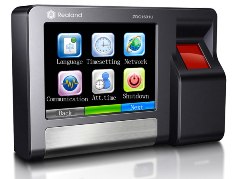
Flexible, convenient, accurate, and integration with multiple Attendance devices i.e. Barcode, Biometric, RFID, Face Reader etc Attendance will help you get workforce management into shape. Our software is designed to effectively manage many difficult scheduling issues, like remote workers, drivers, distributed teams, and more.
We simplify the complicated world of scheduling, leave requests, and reporting while helping you maintain compliance in a rapidly changing world. Here are a few features of our Time and Attendance software:
Business rule-based options.
Multi-level, user-defined business policies.
Eliminates the need for timecards with PC/mobile/biometric options and more.
Electronic timecard management.
Unlimited user-defined scheduling.
Broad selection of standard reports.
MANUFACTURING ERP
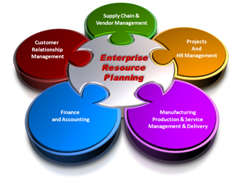
END TO END Manufacturing cycle in user friendly interface. The functionality of manufacturing software varies based on the industry focus and the production process utilized. Most ERP and manufacturing solutions are placed into the categories of process manufacturing software, discrete manufacturing software, or mixed-mode manufacturing software. These different manufacturing categories directly relate to the production environment and whether this environment can be classified as continuous process, contract manufacturing, job shop, batch processing, repair and maintenance, repetitive, or work order based.
Some key features :
END to END Operational Activity.
Financial Reporting.
Administration module.
Payroll.
Account Payable/Receivable.
Many More
SMALL FINANCIAL SOLUTION
Are you having trouble moving from manual processes to a more transparent, automated portfolio analysis? Our software solution automates processes, enables compliance with changing regulations, and prepares you with accurate data analysis that improves real-time decision-making to enhance your bottom line.
Small business accounting software is the best way to record and manage the daily sales and purchase activities of any company. Application has a full control over the invoicing and inventory system of your business. Accounting information system can generate financial reports in several forms like inventory reports, sales reports, purchasing reports, ledger reports, company expenses reports and party reports. Billing management program can calculate ...
INVENTORY SOLUTIONS
Inventory control solution that lets you track tens of thousands of parts and products in multiple warehouses. It is the best choice for small and midsize businesses because of its seamless integration with Barcode, flexible feature set, and enormous library of training and support resources.
Inventory System is designed to handle every aspect of inventory management, providing the ability to track each step in the inventory life cycle from the time you create a purchase order for your supplier to the moment you ship the product to your customer. At the same time, Inventory Control System’s modular organization ensures flexibility and enables you to adapt the program to your specific needs.
Having Multiple inventory solution :
Auto Parts solution.
General Inventory.
WIP Process Inventory
FIFO, LIFO, Average Costing Method.
RDN latest pdf are a must for success in the actual test | stasolutionz
CDR RDN : Registered Dietitian Nutritionist test Questions, MCQs and Practice Test
Practice Test Organized by Richard
Latest 2025 MCQs of CDR Registered Dietitian Nutritionist RDN test Questions & Practice Test, MCQs in Premium PDF and Test Engine
Just obtain free RDNLatest Questions with exam MCQs At killexams.com, they are committed to providing 100% authentic CDRRDN actual questions and answers—precisely what you need to pass the RDN test with flying colors. Their proven strategy is simple: memorize the RDNonline test practice they provide, reinforce your knowledge with the Killexams VCE test Simulator, and walk into your test fully prepared. Witness the incredible results as you achieve an outstanding score on the real RDN exam!
At Killexams.com, they are dedicated to empowering individuals to excel in their careers by successfully passing the RDN exam. Their Mock Exam VCE test has earned numerous glowing testimonials from candidates who have triumphed in the test and now thrive in prestigious roles within their organizations. By leveraging their RDNMCQs Practice Test, users have reported remarkable enhancements in their knowledge and expertise, enabling them to perform with confidence as authoritative professionals in their domain.
Our mission extends beyond simply aiding candidates to pass the RDN exam; they prioritize deepening their mastery of RDN concepts and topics. This comprehensive approach has propelled their clients to become accomplished professionals in their fields. They take immense pride in their pivotal role in advancing career aspirations and remain committed to delivering superior resources and unwavering support to guide individuals toward their path to success.
RDN test Format | RDN Course Contents | RDN Course Outline | RDN test Syllabus | RDN test Objectives
Exam Code: RDN
Exam Name: CDR Registered Dietitian Nutritionist
Exam Format: Computer-based, multiple-choice questions
Number of Questions: 125–145 (scored questions, plus 25 unscored pilot questions)
Total test Time: 2.5 hours (150 minutes)
Passing Score: Scaled score of 25 (on a scale of 1–50)
Passing Rate: ~70% (varies slightly each year)
DOMAIN I – PRINCIPLES OF DIETETICS
TOPIC A – Food, Nutrition and Supporting Sciences
- Food science
- Physical and chemical properties of food
- Water
- Vegetables and fruits
- Sugars
- Flours, grains, and cereals
- Milk and dairy products
- Eggs
- Meats, fish, poultry, meat alternatives
- Fats and oils
- Beverages
- Functional foods
- Sensory evaluation of food
- Food safety, processing, preservation, and packaging
- Food biotechnology and genetic engineering
- Scientific basis for preparation and storage
- Function of ingredients
- Techniques of food preparation
- Leavening agents, batters, and doughs
- Effects of techniques and methods on
- Sensory properties
- Nutrient retention
- Roles of food additives
- Composition of food
- Labeling and packaging claims
- Macro and micronutrients sources
- Phytochemicals
- Nutrient databases
- Nutrient analysis
- Principles of normal nutrition
- Function of nutrients and non-nutritive substances
- Macro and micronutrients
- Water
- Fiber, prebiotics and probiotics
- Non-nutritive sweeteners and sugar alcohols
- Herbals, botanicals, and supplements
- Nutrient and energy needs throughout the life span
- Developmental stages and feeding patterns throughout the life span
- Principles of human anatomy, physiology, microbiology, and biochemistry
- Gastrointestinal
- Renal
- Pulmonary
- Cardiovascular
- Neurological
- Musculoskeletal
- Reproductive
- Social determinants of health (e.g., income, culture, social status, education, physical environment, social network, genetics, gender, race, and sexual orientation)
- Nutrition requirements for health promotion and disease prevention
- Education, Communication and Technology
- Components of the educational plan
- Targeted setting/clientele
- Cultural competencies and diversity
- In-service education (e.g., students and health and rehabilitative service providers)
- Patient/client counseling
- Group/individual education
- Goals and objectives (e.g., collaborate with partners and stakeholders)
- Needs test (e.g., external constraints, competing programs, illness, and learning needs)
- Individual
- Group
- Content (e.g., community resources, learning activities/methodology, references, handouts, and instructional materials)
- Evaluation criteria
- Budget development
- Program promotion
- Education Theories
- Educational readiness
- Human behavior and change management theory
- Implementation
- Communication
- Interpersonal
- Group process (e.g., interprofessional)
- Teach classes (e.g., culinary demonstrations and grocery tours)
- Interviewing (e.g., techniques of questioning: open-ended, closed-ended, leading)
- Counseling (e.g., techniques: motivation interviewing, behavioral, other)
- Methods of communication
- Verbal/non-verbal
- Written (e.g., reports, grant proposals, other)
- Media (e.g., print, electronic, and social media)
- Evaluation of educational outcomes
- Measurement of learning
- Formative
- Summative
- Evaluation of effectiveness of educational plan
- Documentation
- Client information
- Records
- Confidentiality
- Healthcare and nutrition informatics systems/technologies
- Telehealth and remote health monitoring systems
- Electronic health records (e.g., meaningful use, privacy and protection for Protected Health Information (PHI), use for outcomes and use for National Consumer Panel (NCP))
- Food and nutrient analysis software and databases
- Public policy advocacy and legislation
- Research Applications
- Types of research
- Research process (e.g., secure funding, hypothesis testing, study design, Institutional Review Board (IRB), statistical analysis, results, and discussion)
- Data collection, analysis, interpretation, and outcomes to make decisions
- Application of statistical analysis (e.g., analysis, interpretation, and integration of evidence-based research findings)
- Presentation of research data and outcomes
- Report research findings (e.g., write manuscripts, translation of results for diverse uses)
- Use of grading systems (e.g., Evidence Analysis Library) and the application of evidence analysis as the basis for practice decisions.
DOMAIN II – NUTRITION CARE FOR INDIVIDUALS AND GROUPS
TOPIC A – Screening and Assessment
- Nutrition screening
- Purpose
- Selection and use of risk factors and evidence-based tools
- Parameters and limitations
- Methodology
- Participation in interdisciplinary nutrition screening teams
- Cultural competence
- Prioritize nutrition risk
- Nutrition test of individuals
- Dietary intake exam, analysis, and documentation
- Medical and family history
- Obtain and assess physical findings
- Anthropometric data
- Nutrition-focused physical exam
- Intake and output
- Medication management
- Prescriptions, over-the-counter medications, and supplements
- Medication/food/supplement interactions
- Obtain and assess biochemical data, diagnostic tests, and procedures
- Assessment of energy and nutrient requirements
- Physical activity habits and restrictions
- Comparative standards (e.g., energy requirements and growth)
- Economic/social
- Psychosocial and behavioral factors
- Socioeconomic factors
- Functional factors
- Educational readiness exam
- Motivational level and readiness to change
- Educational level
- Situational (e.g., environmental, economic, and cultural
- General wellness exam
- Nutrition test of populations and community needs exam
- Obtain and assess community and group nutrition status indicators
- Demographic data
- Incidence and prevalence of nutrition-related status indicator
- Prevalence of food insecurity
- Review and utilize nutrition screening and surveillance systems (e.g., national, state, and local reference data, NHANES, BRFSS and YRBSS)
- Availability of community resources
- Food and nutrition assistance programs
- Consumer education resources
- Health services
- Studies on food systems, local marketplace, food economics
- Public health programs
- Relationship between nutrition diagnoses and medical diagnoses
- Pathophysiology
- Identifying medical diagnoses affecting nutrition care
- Determining nutrition risk factors for current medical diagnoses
- Determining nutrition factors for groups
- Data sources and tools for nutrition diagnosis
- Organizing test data
- Using standardized language
- Diagnosing nutrition problems for individuals and groups
- Making inferences
- Prioritizing
- Differential diagnosing
- Etiologies (e.g., cause/contributing risk factors)
- Identifying underlying causes and contribution risk factors of nutrition diagnoses
- Making cause and effect linkages
- Signs and symptoms (e.g., defining characteristics)
- Linking signs and symptoms to etiologies
- Using subjective (symptoms) and/or objective (signs) data
- Nutrition care for health promotion and disease prevention
- Identification of desired outcomes/actions
- Evidence-based practice for nutrition intervention
- Evaluation of nutrition information
- Food fads
- Health fraud
- Health and wellness promotion and risk reduction programs
- Implementing care plans
- Nutrition recommendations to promote wellness
- Communication and documentation
- Medical Nutrition Therapy
- Identify desired outcomes and actions
- Relationship of pathophysiology to treatment of nutrition-related disorders
- Critical care and hypermetabolic states
- Disordered eating and eating disorders
- Food allergies and intolerance
- Immune system disorders, infections, and fevers
- Malnutrition (e.g., protein, calorie, vitamin and mineral)
- Metabolic
- Endocrine
- Inborn errors of metabolism
- Oncologic and hematologic conditions
- Organ system dysfunction
- Gastrointestinal
- Renal
- Pulmonary
- Cardiovascular
- Nervous system
- Musculoskeletal
- Reproductive
- Orthopedic
- Wounds
- Obesity
- Mental/Behavioral health and addiction
- Gastrointestinal and bariatric surgery
- Determine energy/nutrient needs specific to condition
- Determine specific feeding methods
- Oral
- Composition/texture of foods and liquids
- Chewing difficulty
- Swallowing difficulty (International Dysphagia Diet Standardization Initiative)
- Diet patterns/schedules
- Diet modification for diagnostic test
- Modified diet products and food supplements
- Adaptive equipment
- Breastfeeding
- Enteral and Parenteral nutrition
- Formulas and calculations
- Routes, techniques, equipment
- Complications
- Integrative and functional care, herbal therapy
- Implementing care plans
- Nutrition therapy for specific nutrition-related problems
- Basis for quality practice (e.g., evidence-based guidelines, standardized processes – National Consumer Panel (NCP), regulatory and patient safety issues)
- Counseling and training (e.g., nutrition plans, medical devices and formula preparation
- Communication and documentation
- Patient rounds
- Care conference
- Coordination of care/interprofessional coordination
- Discharge planning
- Recommend appropriate physical, social, behavioral or psychological services
- Referral to community resources (e.g., WIC and home-delivered meals)
- Implementation and promotion of national dietary guidance
- MyPlate and other diet instructional tools
- Dietary Guidelines for Americans and Healthy People
- State and community resources and nutrition-related programs
- Block grants to states
- Federal and state funded food and nutrition programs
- Community-based interventions
- Development of programs and services
- Identification and attainment of funding
- Resource allocation and budget development
- Provision of food and nutrition services to groups
- Monitoring progress and updating previous care
- Monitoring and determining tolerance to interventions (e.g., medications, tube feeding, parenteral nutrition, medical nutrition and dietary supplements)
- Measuring outcome indicators using evidence-based guides for practice
- Selecting indicators
- Using reference standards
- Explaining variance
- Evaluating effectiveness and outcomes of nutrition interventions for individuals and populations
- Direct nutrition intervention outcomes
- Clinical and health status outcomes
- Patient-centered outcomes
- Resource utilization outcomes
- Relationship with outcome measurement systems and quality improvement
- Determining continuation and transition of care
- Continuing and updating care
- Discontinuing care
DOMAIN III – MANAGEMENT OF FOOD AND NUTRITION PROGRAMS AND SERVICES (21%)
TOPIC A – Functions of Management
- Functions
- Planning
- Short and long range
- Strategic and operational
- Policies and procedures
- Emergency preparedness
- Organizing
- Schedules and FTE allocations
- Department or unit structure
- Processes, procedures, and improving productivity
- Resources
- Directing
- Coordination
- Delegation
- Communication
- Motivation strategies
- Leadership theories
- Management theories
- Controlling
- Establishing standards
- Monitoring established plans
- Developing corrective actions
- Staffing
- Forecasting personnel needs
- Alignment of personnel
- Management characteristics
- Skills
- Technical
- Human
- Conceptual
- Roles
- Informational
- Conflict resolution
- Problem-solving
- Decision-making
- Other (e.g., change management)
- Traits
- Management styles
- Leadership styles
- Interpersonal styles
- Managing a diverse workforce
- Emotional intelligence
TOPIC B – Human Resource Management
- Employment laws and regulations
- Compliance (e.g., Equal Employment Opportunity Commission (EEOC), Americans with Disabilities Act (ADA), Occupational Safety and Health Act (OSHA) or other)
- Credentialing and licensure
- Unions and contracts
- Employment standards
- Job analysis
- Job specifications
- Job descriptions
- Employment processes
- Recruitment and selection, interviewing skills
- Orientation and training
- Performance improvement, development, and evaluation
- Discipline
- Grievance
- Compensation
- Retention and turnover
- Personnel records
- Cultural humility/competence (e.g., diversity and inclusion, equitable workplaces, scheduling implications, training, etc.)
TOPIC C – Financial Management
- Budgeting processes and fiscal periods
- Budget procedures
- Types
- Operational
- Capital
- Methods
- Incremental
- Performance
- Zero-based
- Flexible
- Fixed
- Components
- Types of expenses
- Revenue streams
- Profitability
- Resource allocation
- Financial monitoring
- Accounting principles
- Cash control and auditing
- Financial statements
- Financial analysis
TOPIC D – Marketing and Public Relations
- Marketing analysis
- Process
- Identification of target market
- Determination of needs/wants
- Marketing mix
- Customer satisfaction
- Documentation and evaluation
- Pricing
- Strategies
- Breakeven
- Revenue-generating
- Loss leader
- Rationale
- Public relations
- Media relations
- Social networking
- Campaign development
- Customer service
- Marketing mix principles
- Product
- Place
- Price
- Promotion
TOPIC E – Quality Management and Regulatory Compliance
- Regulatory guidelines (e.g., federal, state, local and accreditation agencies)
- Food and nutrition policy (e.g., older adults act legislation, farm bill)
- Federal feeding programs (e.g., Supplemental Nutrition Assistance Program (SNAP), National School Breakfast Program and National School Lunch Program, Child and Adult Care Food Program (CACFP))
- Coding and billing, insurance requirements
- Accreditation agencies (e.g., The Joint Commission, Centers for Medicare & Medicaid Services (CMS), DNV GL Healthcare)
- Process, implementation, evaluation
- Cost/benefit analysis
- Productivity analysis
- Program and product analysis
- Tools (e.g., Kaizen, Total Quality Management, Lean Six Sigma)
- Scope of practice and standards of professional performance (SOP, SOPP)
- Code of ethics
DOMAIN IV – FOODSERVICE SYSTEMS (13%)
TOPIC A – Menu Development
- Menu
- Patient/resident
- Multi facility
- Single site
- Commercial
- Non-commercial
- Menu development
- Master menu
- Guidelines and parameters
- Sensory characteristics
- Nutritional adequacy
- Cost
- Regulations
- Modifications
- Diet/disease states/life span
- Preferences/substitutions
- Nutritional adequacy
- Food allergies and sensitivities
- Cultural/religious
- Vegetarian/vegan
- Demographics
- Satisfaction Indicators
- Customer/patient evaluation
- Sales data
- Employee satisfaction
- Operational influences
- Facility/equipment
- Labor
- Budget
- Organizational philosophy (e.g., mission, vision, culture, values)
- External influences
- Trends
- Seasonality
- Emergency/disaster management
- Product availability
TOPIC B – Procurement, Production, Distribution, and Service
- Procurement, receiving, and inventory management
- Procurement principles, concepts, and methods
- Bid process and contract implementation
- Specification development
- Group purchasing/prime vendor
- Ethics
- Foodservice management software
- Procurement decisions
- Product selection/yield (e.g., fresh, frozen, prepackaged)
- Quality standards
- Product packaging
- Cost analysis
- Receiving and storage
- Equipment and methods
- Records
- Security
- Safety and sanitation
- Inventory management
- Control procedures (e.g., par levels, rotation and minimum/maximum)
- Issuing procedures
- Inventory technology
- Principles of quantity food preparation and processing
- Cooking methods
- Equipment
- Preservation and packaging methods
- Modified food preparation
- Food production control procedures
- Standardized recipes
- Ingredient control
- Portion control and yield analysis
- Forecasting production
- Production scheduling
- Food waste management
- Inventory management
- Safety and sanitation
- Production systems
- Conventional
- Commissary
- Ready-prepared (e.g., cook-chill, cook-freeze)
- Assembly/serve
- Display cooking
- Distribution and service
- Type of service systems (e.g., centralized, decentralized and room service)
- Equipment
- Packaging
TOPIC C – Sanitation and Safety
- Sanitation
- Sanitation practices and infection control
- Personal hygiene
- Food and equipment
- Waste disposal
- Food handling techniques
- Food laws and regulations (e.g., Food Code, government and other agencies)
- Food safety
- Principles
- Contamination and spoilage
- Microbiological control
- Signs and symptoms of food borne illness
- Allergens/cross contact
- Food safety management
- Standard operating procedures
- Time and temperature control
- Documentation and recordkeeping
- Recalls
- Operational emergencies
- Bioterrorism
- Employee behaviors and training
- Inspections and audits
- Hazard Analysis Critical Control Point (HACCP)
- Safety
- Employee
- Universal precautions
- Equipment use and maintenance
- Personal work habits
- Protective equipment
- Practices
- Environmental conditions
- Regulations
- Fire safety
- Accident prevention
- Occupational health and safety guidelines
- Documentation and recordkeeping
- Reporting (e.g., work restrictions, injuries, accidents, Workers Compensation, spills, falls, exposures)
TOPIC D – Equipment and Facility Planning
- Facility layout
- Equipment and layout planning
- Menu
- Flow of food
- Service systems
- Safety and sanitation
- Privacy and accessibility
- Codes and standards
- Budget (e.g., equipment, staff, operational inputs)
- Staffing (e.g., skill and number)
- Planning team
- Composition
- Roles and responsibilities
- Project management schedule
- Equipment
- Specifications
- Selection
- Installation schedule
- Staff training
- Sustainability
- Food and water
- Non-food
- Supplies
- Equipment
- Waste management
- Storage
- Reduce, reuse, recycle
- Disposal
- Emergency preparedness and contingency planning
- Inventory (e.g., food, water, and supplies)
- Technology
- Operational inputs (e.g., utilities)
- Staffing
- Safety plan
No questions were asked that were outside these RDN practice tests.
Selecting Killexams.com for my RDN test preparation was a very wise decision. The patterns and questions were distributed evenly, enabling me to raise my bar by the time I reached the final simulation exam. I appreciate the effort and honesty of the team, and I thank them for their unwavering support in helping me pass the exam.
It is really great to have real RDN test questions.
Preparing for the test can be an intricate job, and without appropriate guidance, you will likely fail. That is why the VCE test provided by this platform is so valuable. It provides efficient and useful data that not only enhances your practice but also gives you a clear chance of passing the test and getting into any university without any problems. I prepared using this awesome software and scored high, so I can assure you that it will not let you down.
These questions for the RDN test are unbelievable.
Leading a ship or piloting a plane both require skilled captains or pilots. For me, Killexams.com acted as my captain or pilot, guiding me in the right direction before my RDN exam. It was their directions and guidance that helped me stay on track and achieve success. Passing my RDN test was a moment of glory for which I will always be grateful to this online study center.
It is unbelievable that RDN practice tests are right here.
Affordable RDN test engine and practice tests with actual questions helped me master difficult concepts in just 15 days. Their realistic materials were exactly what I needed for high marks.
The most updated practice tests are provided for the RDN exam.
Practice tests were instrumental in helping me achieve a 91% score on my RDN test with only 12 days of preparation. Their comprehensive guide was a game-changer, and I wish the team continued success in their endeavors.
CDR Registered book
RDN Exam
Question: Will killexams inform me about RDN questions updates? Answer: Killexams team will inform you by email when the RDN test in your obtain section will be updated. If there is no change in the RDN questions and answers, you do not need to obtain again and again the same document.
Question: Where can I obtain RDN real test questions? Answer: You can find RDN real test questions at killexams.com. Visit https://killexams.com/pass4sure/exam-detail/RDN for the latest practice test. Killexams provide the latest RDN VCE test in two file formats. PDF and VCE. PDF can be opened with any PDF reader that is compatible with your phone, iPad, or laptop. You can read PDF Q&A via mobile, iPad, laptop, or other devices. You can also print PDF Q&A to make your book read. VCE test simulator is software that killexams provide to practice exams and take a test of all the questions. It is similar to your experience in the real test. You can get PDF or both PDF and test Simulator. These RDN test test prep will help you get Excellent Marks in the exam.
Question: How you deliver test after purchase, Hard copy or soft copy? Answer: Killexams do not send hard copies of RDN practice test. Killexams provide an online account to obtain a soft copy of RDN VCE test in PDF format. This is because, In case of an update in the RDN exam, your book will be invalidated, and will have to order a new RDN book. But in the case of an online account, you just need to re-download the test test prep. You can make your book with the PDF document by printing it on your printer. This will also very cheap. You need not pay for delivery charges. You can also read RDN questions on your mobile or other devices.
Question: My killexams account is suspended, Why? Answer: Killexams.com does not allow you to share your login details with others. The system can track simultaneous logins from different locations and block the account due to misuse. You can use your account in two places like home and office. Try not to share your login details with anyone.
Question: I have other questions before I register, who will answer me? Answer: First, you should visit the FAQ section at https://killexams.com/faq to see if your questions have been answered or not. If you do not find an answer to your question, you can contact support via email or live chat for assistance.
Choosing a reliable and up-to-date certification VCE test provider can be challenging, as candidates want assurance of quality, credibility, and effectiveness. Killexams.com is committed to delivering top-tier practice tests that uses actual questions for practice, are regularly updated to ensure accuracy and relevance. They prioritize their candidates’ success, offering high-quality resources that have empowered countless individuals to pass their certification exams with confidence and ease. Their unwavering focus on excellence, trustworthiness, and customer satisfaction sets us apart. Unlike some resellers who may mislead customers, Killexams.com maintains a stellar reputation through consistent quality and transparency. Be cautious of false claims or negative reports from competitors attempting to undermine trusted services like ours. With thousands of satisfied candidates who have successfully passed their exams using their practice tests, PDF question banks, and VCE test simulator, Killexams.com stands as a proven leader. Explore their sample questions and try their test simulator to experience firsthand why Killexams.com is the preferred choice for certification preparation.
Which is the best practice tests website? Absolutely yes, Killexams is fully legit along with fully trusted. There are several options that makes killexams.com unique and authentic. It provides up-to-date and fully valid test questions including real exams questions and answers. Price is very low as compared to the vast majority of services online. The Q&A are refreshed on typical basis through most accurate questions. Killexams account launched and products delivery is very fast. Data downloading is unlimited and really fast. Service is avaiable via Livechat and Message. These are the features that makes killexams.com a sturdy website that supply test prep with real exams questions.
Is killexams.com test material dependable? Many websites claim to provide real test Questions, Braindumps, Practice Test, Study Guides, and cheat sheets, but most of them are simple re-sellers offering outdated content. Killexams.com stands out in 2025 as the leading platform that truly understands the challenges candidates face when wasting time on obsolete materials from free PDF sites or reseller sources. That is why Killexams.com regularly updates its MCQs to match the latest Real test Questions. Every question in the Killexams.com MCQs is reliable, verified, and kept up-to-date by certified professionals who monitor daily test updates.
If you want to pass your test quickly while also improving your knowledge of the latest syllabus topics, they strongly recommend downloading the PDF MCQs, test Questions and VCE test from Killexams.com. Preparing with these resources ensures that you are ready for the real exam. When you upgrade to the Premium Version, simply register at Killexams.com — you will receive your Username and Password within 5 to 10 minutes by email. All future updates to MCQs are automatically included in your account, and you can obtain the updated files as many times as needed without restrictions.
To make your preparation even more effective, Killexams.com provides Test Engine Software. This tool allows you to practice with Real test Questions, track your progress, and take unlimited practice tests. The more you practice, the faster and more confident you become. Once you consistently achieve 100% marks with the complete pool of updated questions, you will be fully prepared to take the real test at the Test Center and achieve success.
GAFM-MFC actual questions | NACE-CIP1-001 Braindumps | 76940X examcollection | Salesforce-OmniStudio-Developer practice questions | GAFM-MMC test dumps | GAFM-CDTS free VCE test | MB-335 pdf test | GAFM-CPHSA testprep | 305-300 Free test PDF | D-DP-DS-23 mock questions | NCMA-CMA online test | CIFI test Questions | ACA-Operator Free PDF | Alabama-Salesperson test prep | AACE-EVP latest pdf | AMPP-C13 test dump | HPE0-S57 cheat sheet | ACP-Sec1 free study guide | PMP-2024 latest dumps | GAFM-CLC Study Guide |
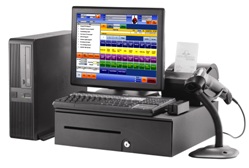
Retail store owners operate on tight margins, and have many constantly moving parts. This becomes especially difficult to manage efficiently when using manual methods. A point-of-sale system is a great tool to manage all these moving parts while helping to ensure customer satisfaction, but finding the right POS for small business is no easy feat.
POS can help businesses in a variety of ways, including managing inventory, providing customer management data, identifying opportunities and weaknesses in the store and much, much more.
EMBRIODRY MANAGMENT SOLUTION
Embroidery’s Industries can utilize this embroidery management tool in a wide variety of ways which will insure that jobs are scheduled, processed, and delivered on time and with the maximum efficiency. This embroidery management software was developed with your business in mind - whether it be big or small - and can be customized to any unique needs you may have.
You may be a business owner or one of the project managers in an embroidery department, our embroidery management software will take the stress out of organizing and coordinating the activities of both you and your clients. An embroidery business can benefit greatly from embroidery management systems that offer ways to harmonize and coordinate multiple departments. To accomplish this, the embroidery management systems are integrated to allow the user to track various job control systems which may incorporate multiple program management structures.
Embroidery Management Capabilities:
Covering all Operational Activity.
Financial Reporting.
Employee Management.
Payroll.
Stiched wise Billing.
Invoicing.
HOSPITAL SOLUTION
It is a complete enterprise management solution that streamlines clinical, administrative, and financial operations of care delivery organizations, providing unprecedented opportunities for productivity, collaboration, and growth.
Whether your goal is to enhance the value of services to your patients, increase reimbursements, improve the overall efficiency of day-to-day operations, or simply stay ahead of compliance requirements,